Foris at the II Congreso de Aprendizaje Experiencial, Universidad de La Sabana and ASCUN
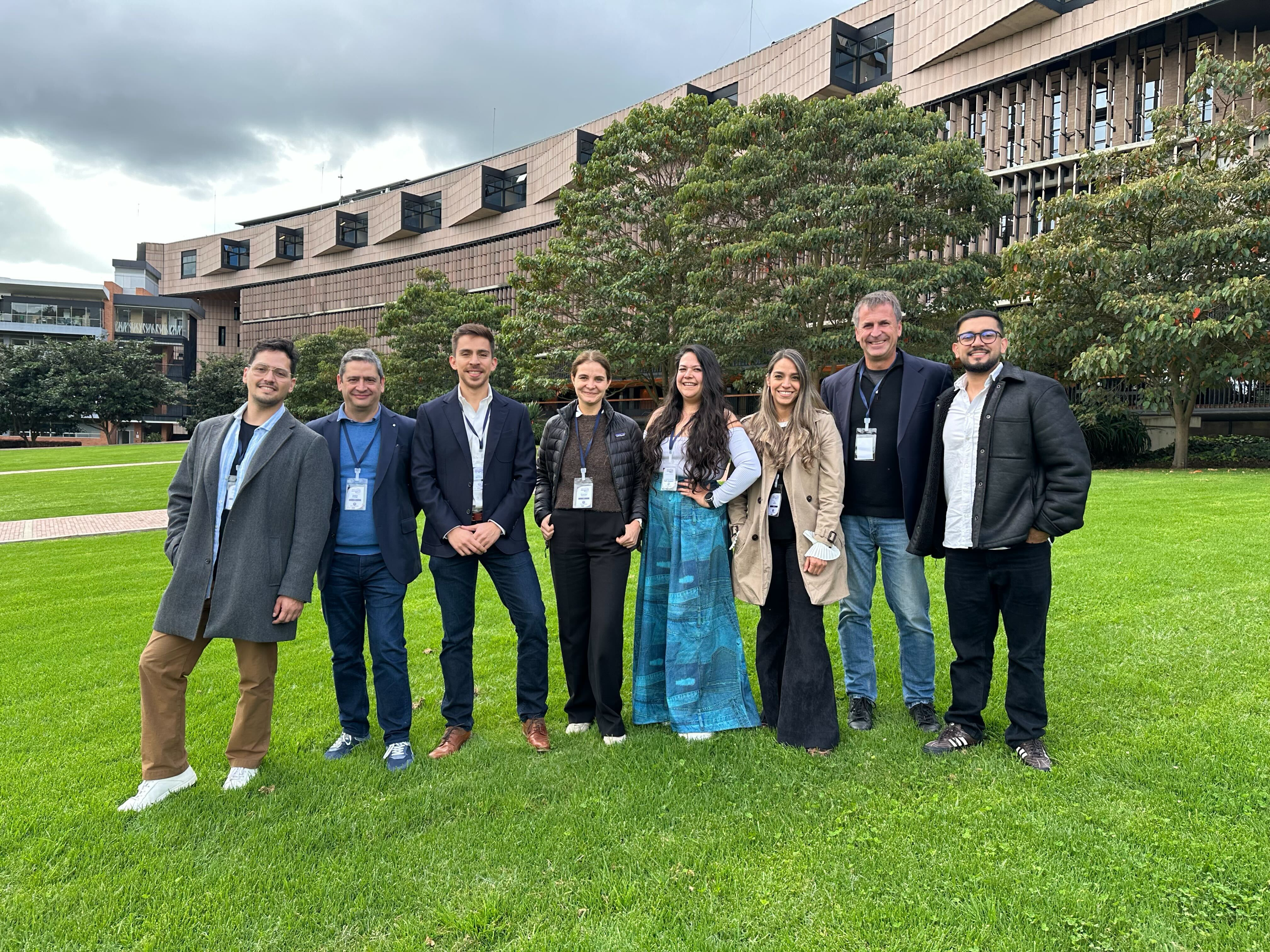
Foris sponsored the II Congreso de Aprendizaje Experiencial, organized by Universidad de La Sabana and ASCUN, where it presented its AI-First Universities approach and the strategic partnership to accelerate Universidad de La Sabana's digital transformation. Foris CEO Felipe Meneses outlined the smart university model, which brings artificial intelligence and human intelligence together in academic and administrative operations.
It was a very meaningful week for Foris. Our team from Colombia, along with representatives from Chile and Mexico, took part in the II Congreso de Aprendizaje Experiencial, organized by Universidad de La Sabana and ASCUN, a gathering of administrators, instructors, researchers, and leaders of educational institutions from across the country.
The conference was a collaborative forum for exploring how experiential learning and co-intelligence are transforming higher education in Colombia. Over the course of the event, participants reflected on the challenges, opportunities, and responsibilities that arise when people and artificial intelligence systems work together in educational processes.
An opportunity to connect with universities and their challenges
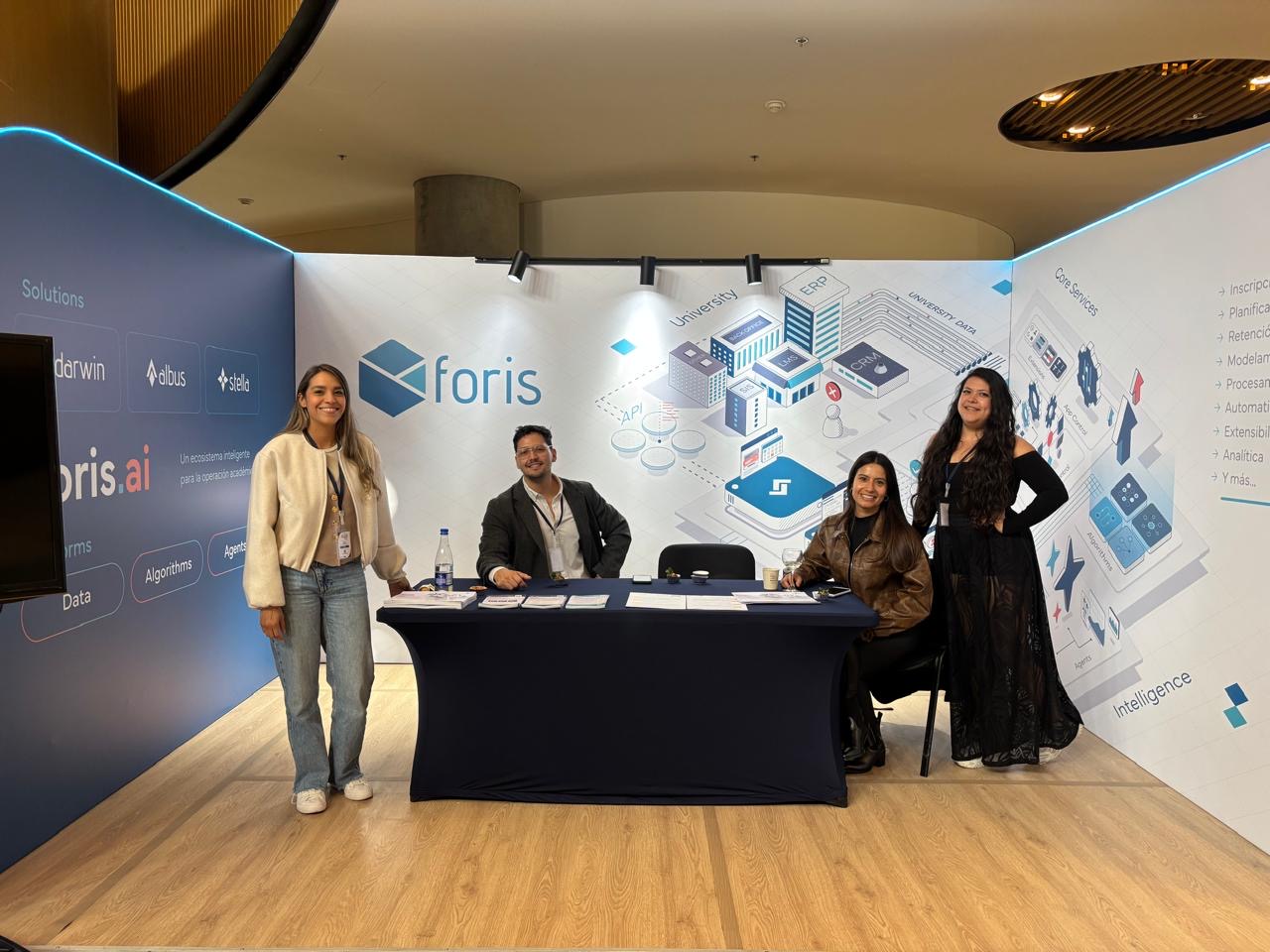
As sponsors of the event, we had the chance to talk with a range of institutions that are looking for new ways to evolve their academic and administrative processes to meet students' needs and the challenges of an increasingly dynamic environment.
These conversations let us learn firsthand about the concerns, priorities, and projects driving Colombian universities, and share our vision of the role artificial intelligence can play in transforming higher education.
Foris Suite: a comprehensive offering for university operations
During the conference, we showed how Foris Suite is helping institutions optimize their university operations and strengthen the services they provide to their students.
Our "AI-First Universities" approach combines artificial intelligence, advanced analytics, and optimization to turn complex academic processes into more efficient, connected, and people-centered experiences. From academic planning to student services management, we aim to help universities make better decisions, optimize resources, and deliver high-impact digital experiences.
How do you build a smart university?
One of the highlights of the event was the talk by Felipe Meneses, CEO of Foris, titled: "What does a smart university look like? An AI First ecosystem and management model."
In his presentation, Felipe discussed the importance of building an institutional culture in which artificial intelligence and human intelligence work together strategically to strengthen academic, administrative, and educational processes.
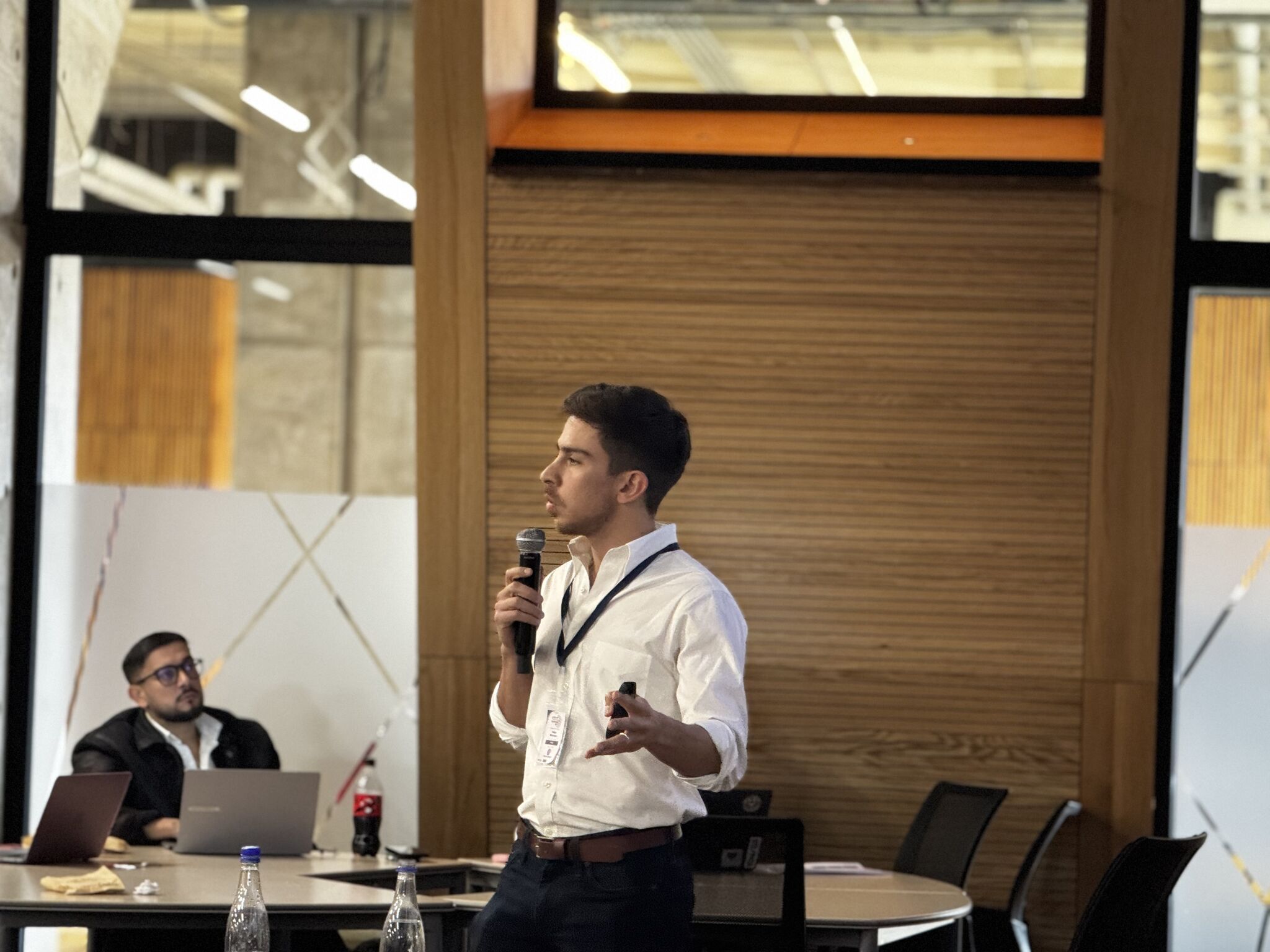
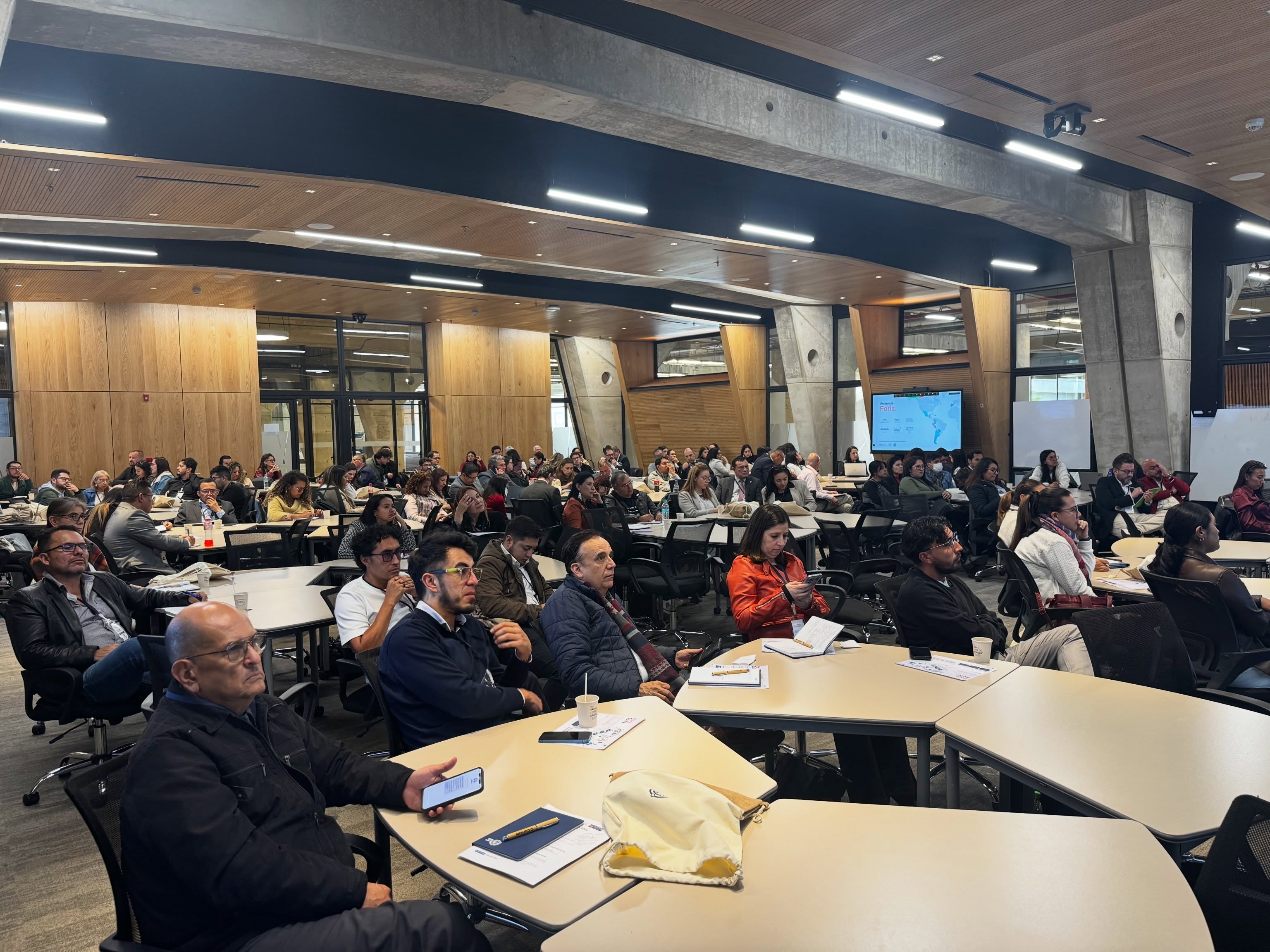
The talk invited the audience to rethink the concept of a smart university beyond adopting technology, focusing on institutions' ability to design ecosystems where data, systems, and people work together to deliver better results.
Supporting Universidad de La Sabana's digital transformation in the age of AI
The conference was an excellent opportunity to present one of Foris's most significant milestones: the strategic partnership with Universidad de La Sabana to accelerate its digital transformation.
Our team shared the scope of this collaboration, an initiative that aims to transform the university's operations through artificial intelligence and advanced analytics, covering key processes such as academic planning, course enrollment, and curriculum and financial management, among others.
This partnership marks a decisive step in the evolution of the university's operating model, aimed at optimizing the student experience and enabling innovative capabilities to meet the current and future challenges of higher education.
During the conference, we also held several working sessions to deepen this collaboration and identify new opportunities for joint development.
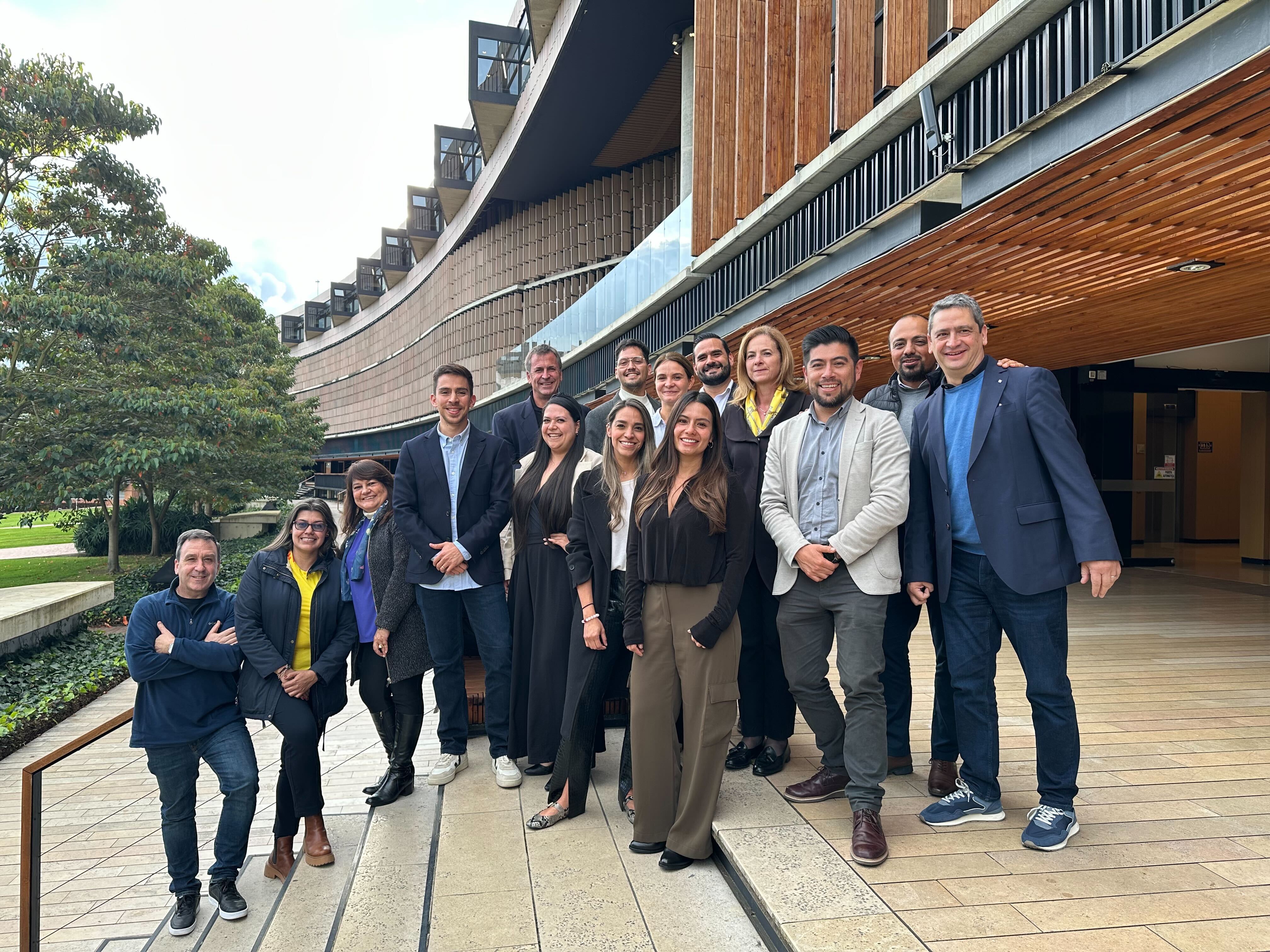
These conversations reflect a shared vision: building more agile, intelligent institutions that are ready to meet the challenges of an ever-evolving higher education landscape.
We thank Universidad de La Sabana and ASCUN for creating this space for connection, reflection, and joint work. We will keep working alongside universities to drive a more efficient, connected, and people-centered higher education.
Glossary: key terms
AI-First smart university: An institutional model in which artificial intelligence is central to management and decision-making processes. It brings data, systems, and people together in a single ecosystem.
Operational fragmentation: A situation in which different systems and platforms work in isolation, making it hard to integrate information and make decisions.
Experiential learning: An educational approach that promotes learning through real experiences, reflection, and the practical application of knowledge.
Foris Suite: Foris Suite is an AI-native university management platform that automates the most complex processes of academic operations: from demand forecasting and schedule generation, through enrollment, to the early detection of at-risk students. It is developed by Foris.ai, an edtech company operating at more than 65 universities in 10 countries across Latin America and Spain and reaching more than one million students.
Frequently asked questions
What is a smart university under Foris's AI-First model?
It is an institution that builds data, automation, and artificial intelligence into its academic, administrative, and educational processes, making management more efficient and creating better experiences for students and staff.
How does Foris support universities' digital transformation?
Foris combines artificial intelligence, advanced analytics, and automation to optimize complex academic processes, improve the student experience, and strengthen institutional management.
Why does university transformation require an ecosystem and not just technology?
Because technology alone does not solve institutional challenges. It takes an ecosystem that brings together people, processes, data, and tools so the institution can operate in a coordinated way and make smarter decisions.