EDUTIC Santiago 2026: How artificial intelligence is redefining the future of higher education
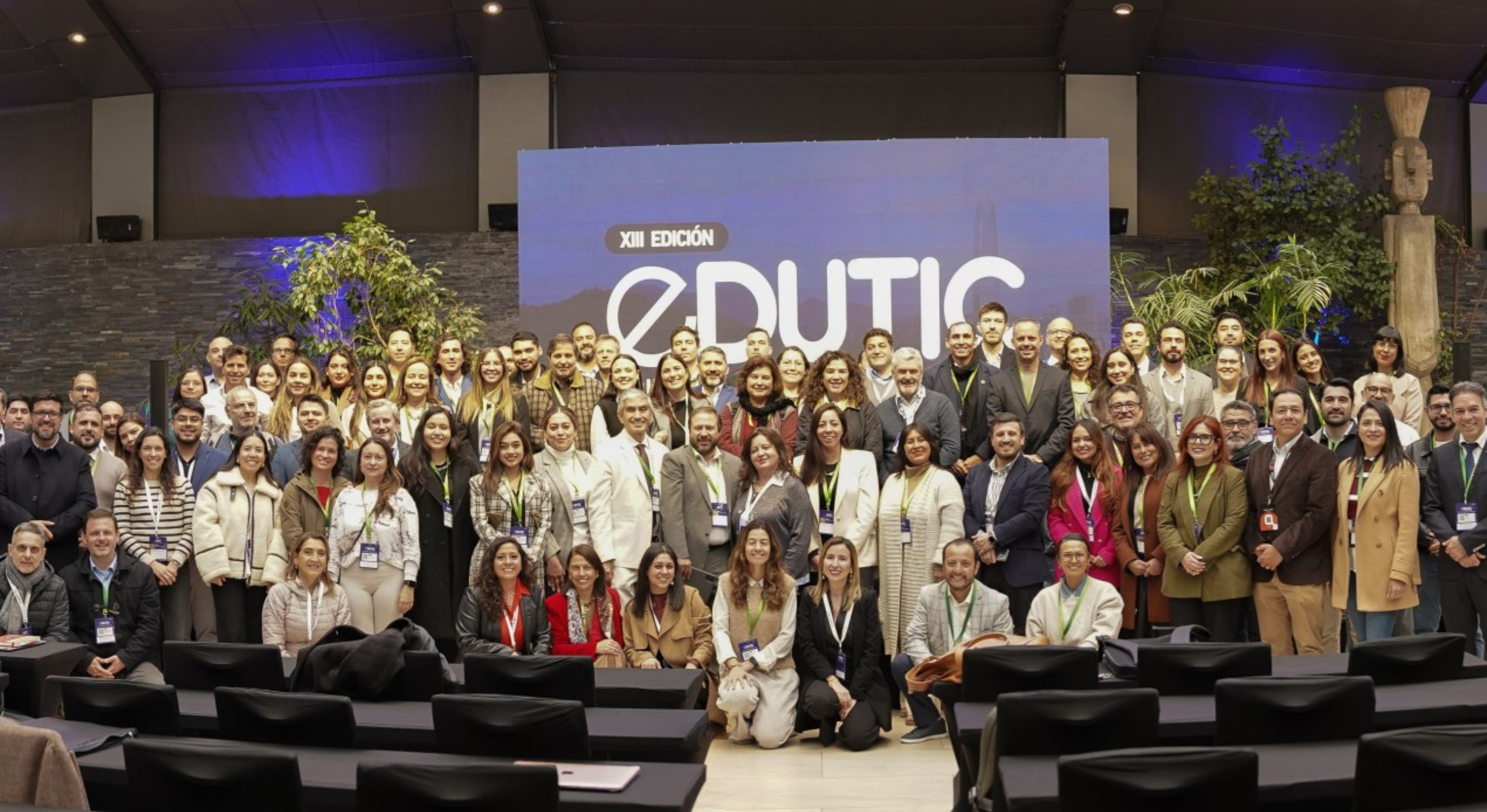
The ultra-personalization of education is the model in which artificial intelligence tailors the academic experience to each student's needs, going beyond task automation. At EDUTIC Santiago 2026, Felipe Meneses, CEO of Foris, argued that getting there requires AI-First universities, with accessible data, solid governance, and new forms of collaboration between people and intelligent agents.
The 13th edition of EDUTIC Santiago is one of the most important higher education gatherings in Latin America, bringing together university administrators, academic leaders, technology specialists, and professionals committed to transforming higher education institutions.
The event has become a forum for discussing the challenges universities face in areas such as the student experience, academic management, innovation, data analytics, and artificial intelligence. One topic that drove much of the conversation was the impact AI will have on institutional processes and on the way universities operate and make decisions.
Against this backdrop, Felipe Meneses, CEO of Foris, gave the talk "The Ultra-Personalization of Education," a look at how artificial intelligence is transforming higher education far beyond task automation. The talk covered the main challenges institutions face today in adapting to this new technological era, from the need to build AI-First organizations and democratize innovation to strengthening data governance and creating new forms of collaboration between people and intelligent agents.
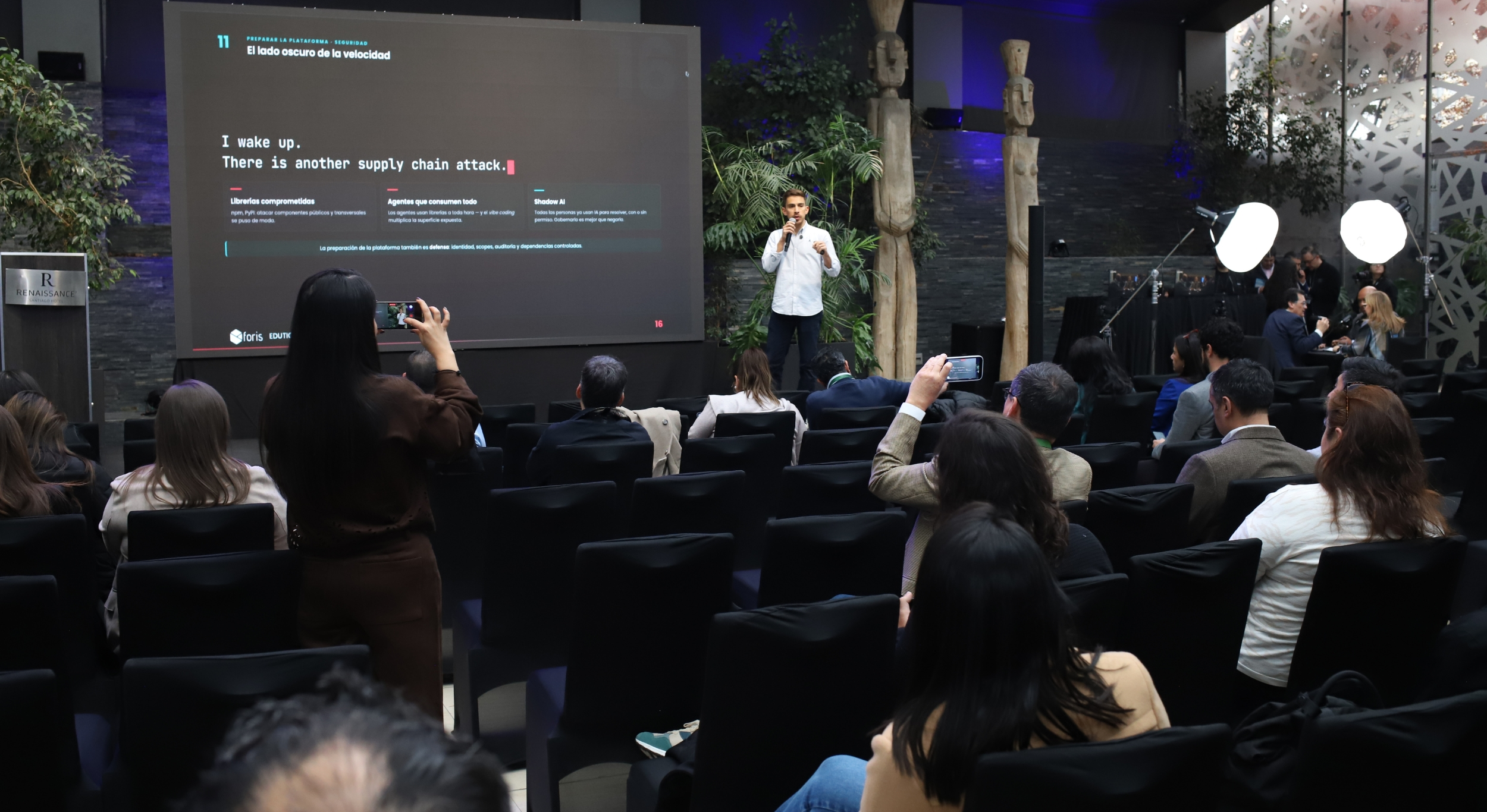
"Higher education faces a challenge unlike that of any other industry: it has to solve a multi-objective problem with limited resources," said Felipe Meneses, CEO of Foris.
From software companies to AI-First organizations
During the talk, Felipe shared how Foris transformed itself into an AI-First organization.

"Our mindset was one of total humility. If what we had built had to go in the trash for us to adapt to this change, we were ready to start over."
The process began a few years ago, when the rapid progress of artificial intelligence models forced a rethink of paradigms that had seemed settled in the tech industry.
The starting premise was that many traditional ways of building software could change radically. This fostered a culture of constant exploration, rapid adaptation, and an ongoing search for new ways to create value.
The future lies in last-mile solutions
Traditionally, institutions have run on central or "core" systems that hold critical information and the most important processes.
However, artificial intelligence is giving rise to specialized solutions that can solve very specific problems quickly and flexibly.
These solutions, known as "satellites," can be developed by small teams or even by a single person using AI agents.
For this to happen, the role of core systems has to change. Recording and storing information is no longer enough: they must become open, accessible platforms, ready for people and intelligent agents to interact with data, rules, and processes without friction.
Democratizing innovation within universities
One of the most significant changes driven by AI is the removal of technical barriers: activities that once required full development teams can now be carried out by professionals from different areas using intelligent agents.
This opens up an enormous opportunity for universities: the people closest to the problems can also take an active part in creating solutions.
"Innovation no longer depends exclusively on technical teams; it is distributed across the entire organization," explained Felipe Meneses.
AI, security, and governance: the challenge we can't ignore
Technological democratization also brings new risks. The rapid growth of solutions built with artificial intelligence must be accompanied by robust strategies for security, governance, and access control.
As more people and agents interact with critical systems, it becomes more important to protect institutional information and to put mechanisms in place for innovating safely.
The speed of technology adoption cannot be disconnected from responsible data handling.
Toward a new relationship between humans and artificial intelligence
Beyond the technology itself, the final message is that the future will not be defined by systems that replace people, but by new forms of collaboration between humans and artificial intelligence.
Institutions that manage to build the right foundations, in terms of accessible data, structured knowledge, clear rules, and solid governance, will be better prepared to take advantage of this new stage.
In higher education, artificial intelligence is both an automation tool and an opportunity to move closer to offering educational experiences that are increasingly personalized, efficient, and centered on each student's needs.
Bring these challenges into your university's roadmap
Foris builds Foris Suite, the AI-native university management platform that connects planning, enrollment, and student support in one integrated system, with a presence at more than 65 institutions across Ibero-America.
If you want to take a close look at what ultra-personalization, the AI-First model, and data governance mean for your institution, and evaluate a concrete roadmap to put them in place, book a demo with our team.
Frequently asked questions
What is the ultra-personalization of education?
It is the use of artificial intelligence to tailor the academic experience to each student's needs, going beyond task automation. It relies on accessible data, flexible processes, and intelligent agents that personalize enrollment, planning, and student support based on each person's progress and context.
What is an AI-First organization in higher education?
It is an institution that designs its processes and technology with AI at the core of its operations, not as an add-on. It prioritizes accessible data, clear governance, and collaboration between people and intelligent agents to build solutions close to each problem.
What are last-mile or satellite solutions?
They are specialized applications that solve very specific university problems quickly and flexibly. They can be built by small teams, or by a single person working with AI agents, as long as core systems are opened up as accessible platforms for data, rules, and processes.
Why is data governance key to using AI in universities?
Because as more people and agents access critical systems, the risk to institutional information grows. Governance defines access, control, and accountability, so institutions can innovate with AI without exposing sensitive data or losing traceability in their decisions.
What did Foris present at EDUTIC Santiago 2026?
Felipe Meneses, CEO of Foris, gave the talk "The Ultra-Personalization of Education." He discussed how AI is redefining higher education: the shift toward AI-First organizations, the democratization of innovation, data governance, and collaboration between people and intelligent agents.
What does it mean to democratize innovation at a university?
It means the ability to build solutions no longer depends only on technical teams and is spread to the people closest to each problem. With AI agents, professionals across different areas can build tools that used to require a full development team.