Optimizing infrastructure use was just the beginning for Universidad Pontificia Bolivariana
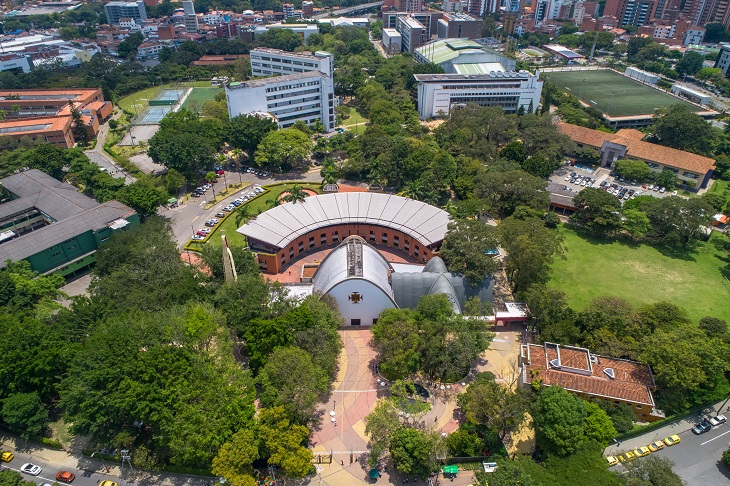
Seven years ago, Universidad Pontificia Bolivariana in Colombia (UPB) faced the challenge of finding a strategy to respond quickly to the growth it was experiencing. It started by remodeling the engineering building and moving some of its courses into the classrooms of its primary school, while it looked for a more permanent way to optimize and make the most of the university's infrastructure.
At the same time, academic leaders needed a quick, easy-to-use tool, so they turned to Excel spreadsheets with formulas and data that would allow for proper planning. They also made a point of learning about methodologies used by universities in the United States to make better use of their infrastructure.
Finally, they found the right solution in Foris and stuck with it. They discovered that with our solution they could improve how UPB used its classrooms and make students more comfortable.
They started with a pilot that had a single goal: move students out of the primary school and back to the university
They loaded data on classrooms, curricula, sections, and students into the software. The first simulations were surprising: they showed that the current classrooms were very large and that creating smaller sections could optimize infrastructure use. Working with the architect, they immediately decided to divide the classrooms, solving a problem that had been worrying the academic area for months.
"One of our biggest achievements was placing students in classrooms suited to their needs." Daniela Castaño, Course Scheduling Coordinator.
Data culture
The road to better processes always had the full backing of the university's leadership.
From the start, a strong data culture took hold. It began with the goal of optimizing classroom use, but in the end it also proved very helpful in reducing scheduled hours. Sections were gradually refined to fit instructors' teaching plans, taking into account each instructor's availability to teach.
A notable achievement of the academic team was standardizing course names, which improved internal organization.
A multidisciplinary team and continuous improvement
Each UPB school had an academic director, an administrative assistant, and someone in charge of physical spaces. Connecting all of them on a single platform centralized the information needed to find the best scenario. This prevented duplicate plans and the unnecessary booking of rooms for specific events, which then sat unused for the rest of the semester.
The team went from twenty-four people spending months of working hours on getting the best plan and forecast for the semester to four people running these processes with Darwin, while the rest turned to other tasks, such as handling student requests and working toward continuous improvement.
"With Foris, we put together a multidisciplinary team to drive the transformation process within the university." Daniela Castaño, Course Scheduling Coordinator.
But the progress didn't stop there...
Every strategy carried out in Medellín was replicated at the university's other campuses, bringing Darwin to Palmira, Montería, and Bucaramanga. UPB also migrated to Banner 9 and implemented Ellucian Ethos, making it easier to integrate all of its solutions.
27,000+ students / 6,000+ instructors / 4 campuses